
Category: 2025
-
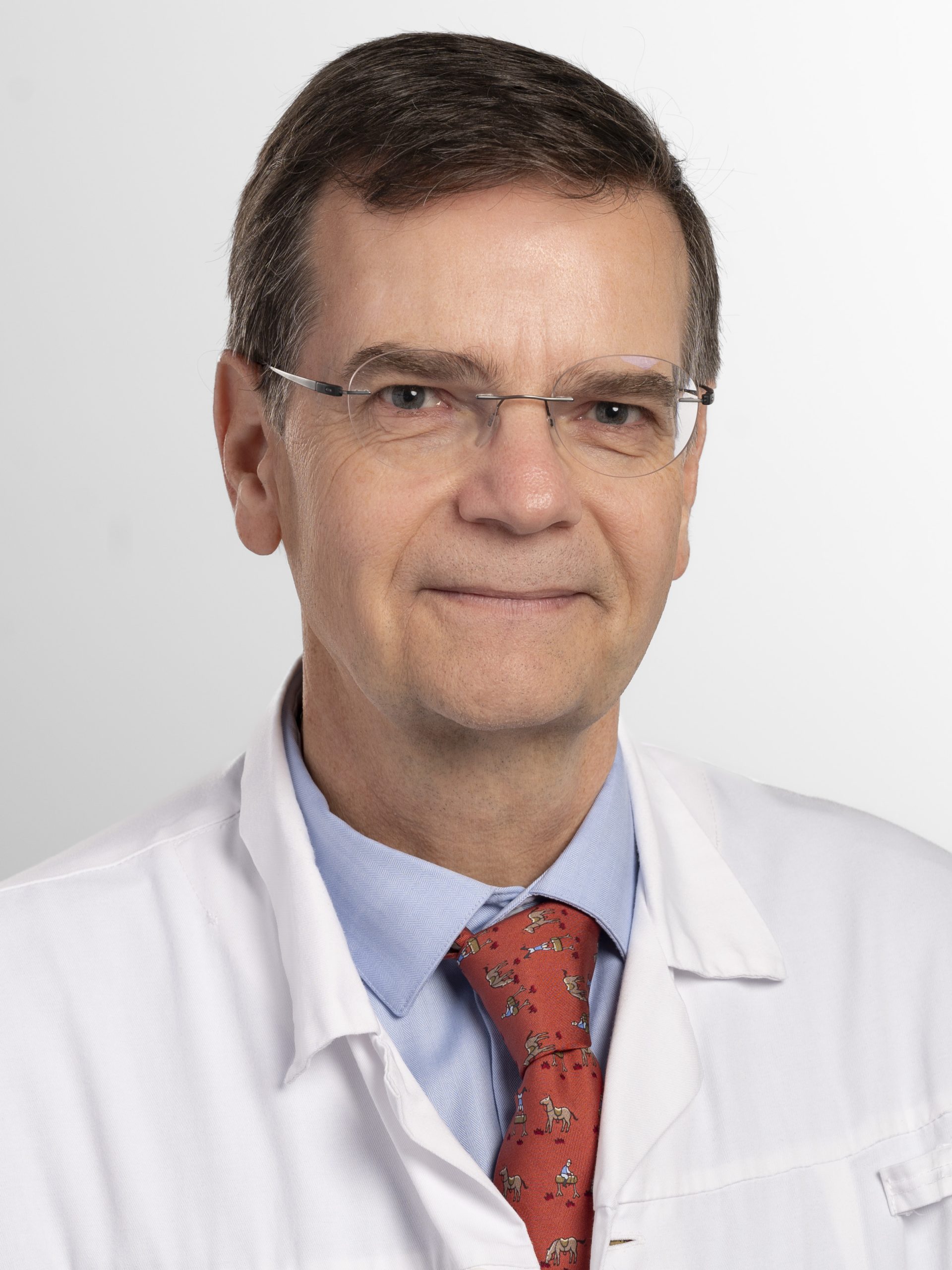
Meet a user: Dr John Prior
Meet a user: Dr John Prior CERN-MEDICIS produces radionuclides which can be used to treat different kinds of oncological, cardiological and neurological diseases. Dr John Prior is Head of Nuclear Medicine and Molecular Imaging at Lausanne University Hospital (CHUV). He has been involved in the MEDICIS project since it began. Dr Prior explains, “The
-
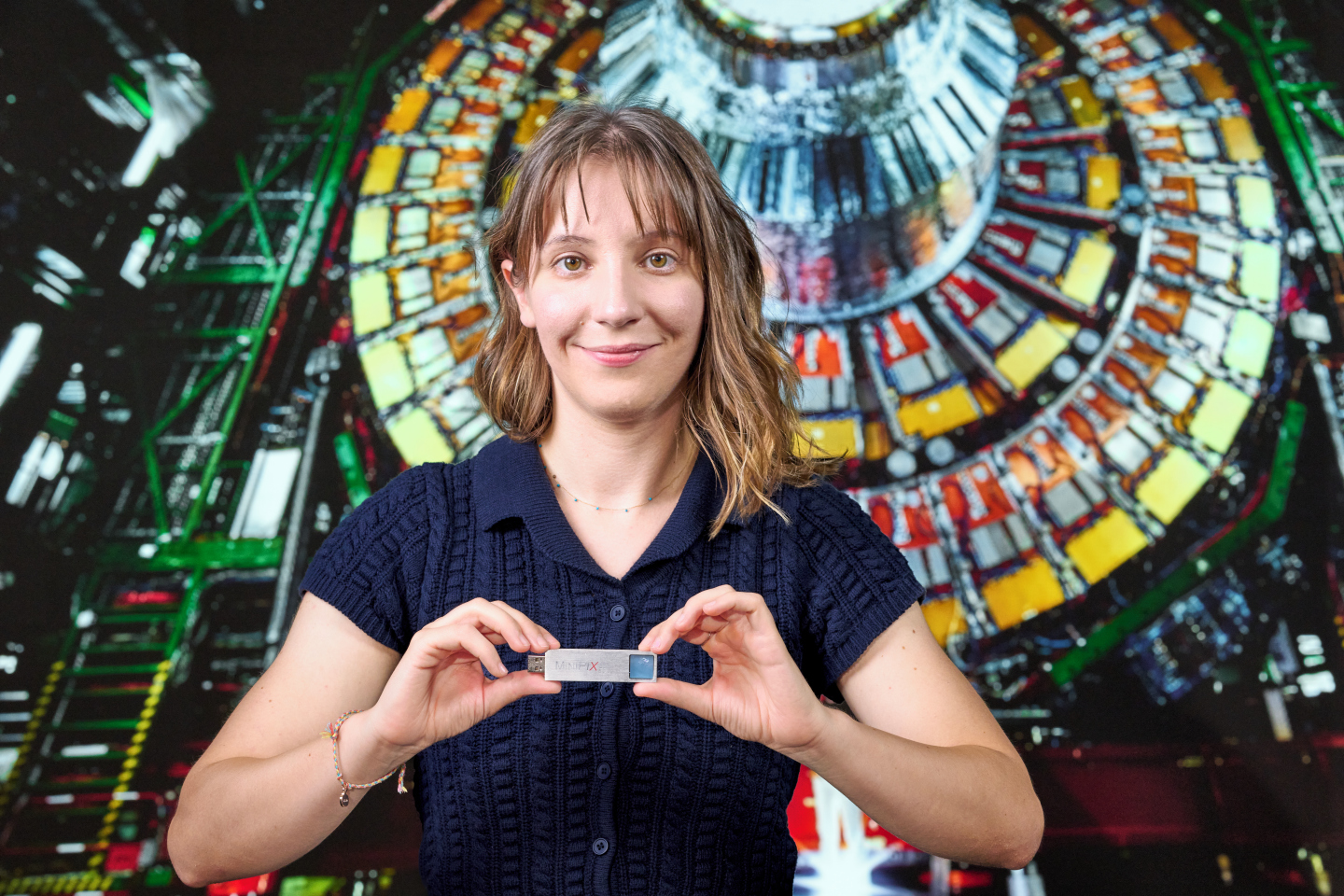
Meet the users: Ramon & Claudia
Meet the users: Ramon & Claudia TIMEPIX@school brings particle detector kits developed from CERN technology to students – enabling them to explore the invisible world of radiation. It provides a unique opportunity for students to conduct hands-on experiments in the classroom with the same detectors currently used at CERN, in space, in hospitals and in
-
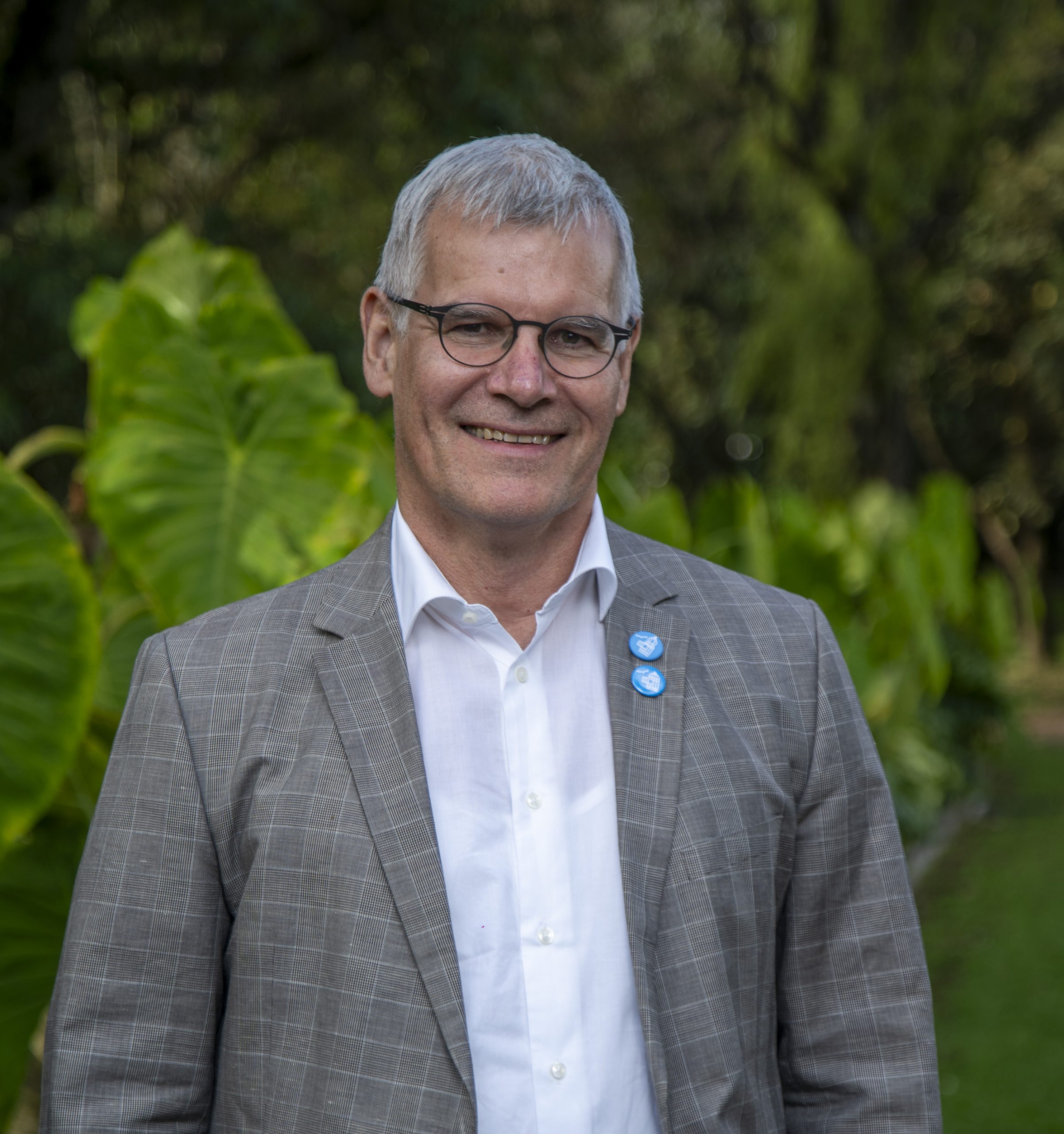
Meet a user: Dr Donat Agosti
Meet a user: Dr Donat Agosti Zenodo is an open-access repository that allows researchers to share the results of their work for free. Biologist Dr Donat Agosti manages the Biodiversity Literature Repository on the platform. A key part of biodiversity research is comparing species, which requires having unambiguous and identifiable names. In the past, this meant going to a library
-

Meet a user: Dr Nicolo Cognò
Meet a user: Dr Nicolo Cognò Project: Biology Dynamics Modeller (BioDynaMo) User: Dr Nicolò Cogno, Harvard Medical School and Massachusetts General Hospital Biology Dynamics Modeller (BioDynaMo) can be used to study complex systems by simulating the behaviour of billions of cells. Dr Nicolò Cogno has used the technology to research cancer treatment. BioDynaMo is an agent-based model, which allows a
-

Meet the project: Zenodo
Meet the project: Zenodo Did you know that following the release of scientific results, data is rarely shared between researchers? Often, it is too big or complex to find a home in traditional publication chains, preventing researchers from drawing the full benefit from the results of public research and leading to a duplication of research
-
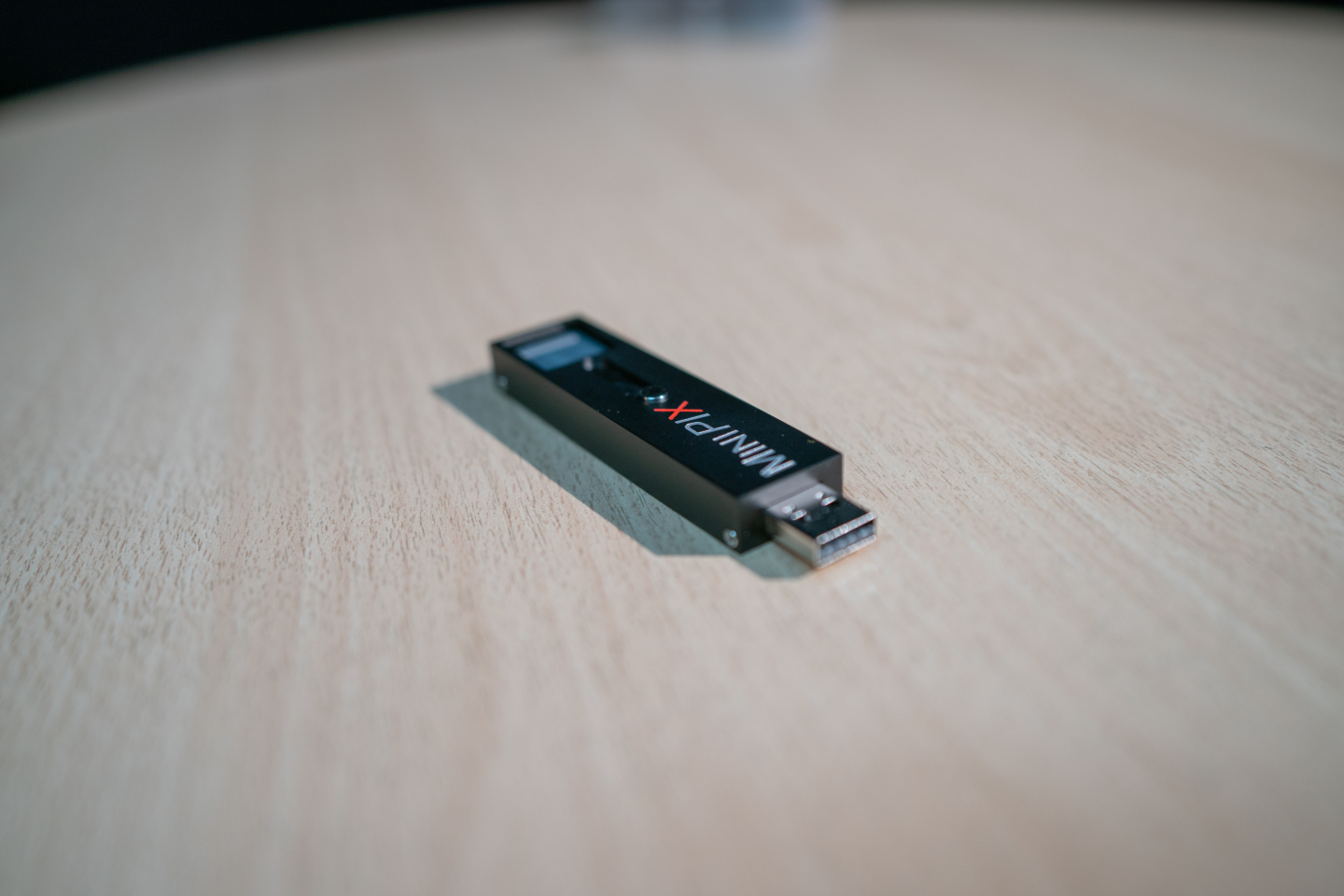
Meet the project: TIMEPIX@school
Meet the project: TIMEPIX@school TIMEPIX@school is a pioneering initiative which brings CERN technology into schools, giving students the opportunity to explore the invisible world of radiation and cosmic rays using equipment derived from real CERN research. The project is built around the Timepix detector chip – a device originally developed through the Medipix Collaborations at
-
Meet the project: BioDynaMo
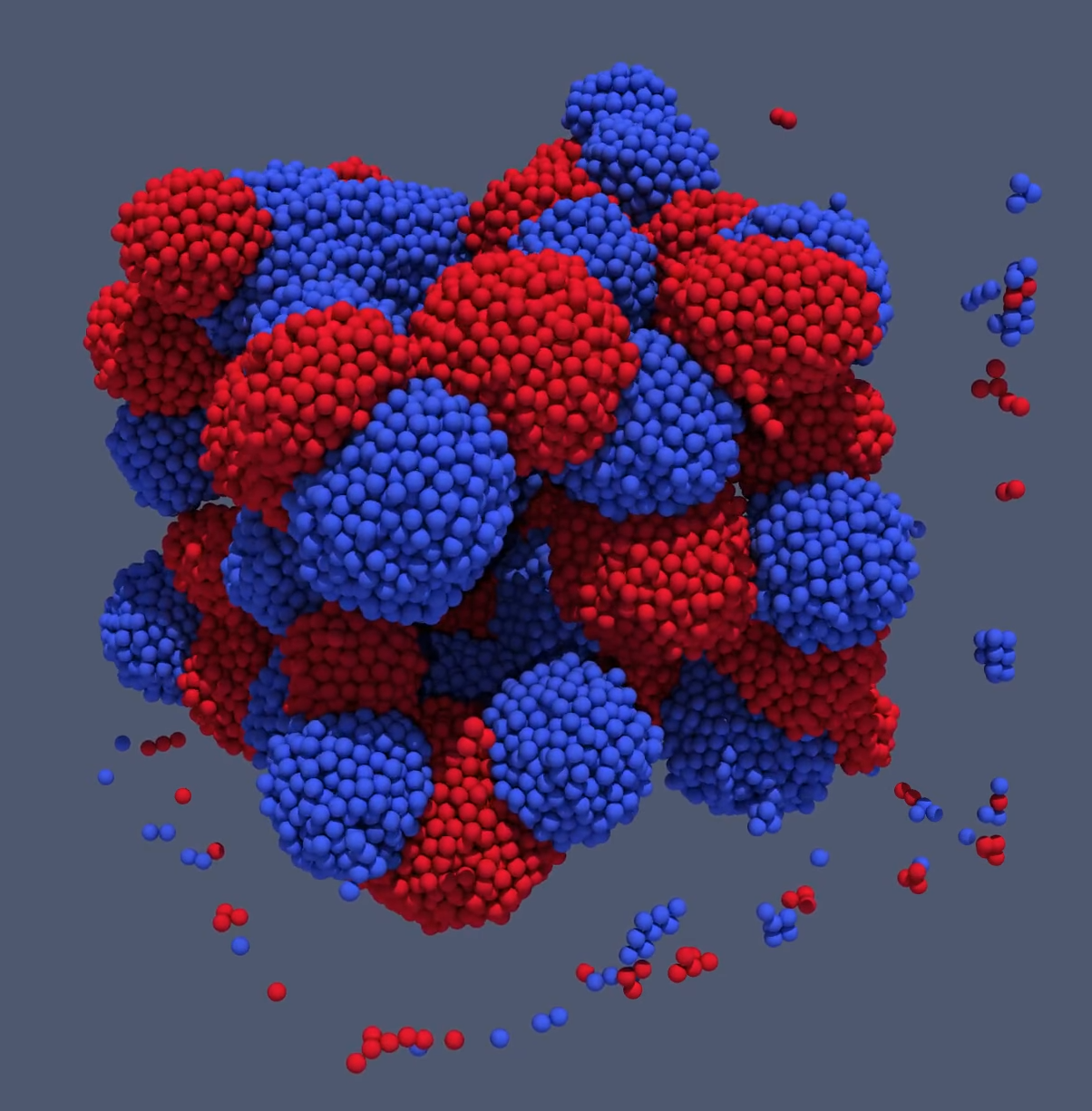
Meet the project: BioDynaMo Agent-based modelling (ABM) is a powerful methodology for studying complex systems in biology, epidemiology, economics, social sciences,Agent-based modelling (ABM) is a powerful methodology for studying complex systems in biology, epidemiology, economics, social sciences, medicine and more. Biology Dynamics Modeller (BioDynaMo) is an ABM software that can simulate the behaviour of complex
-
Meet the project: CERN-MEDICIS
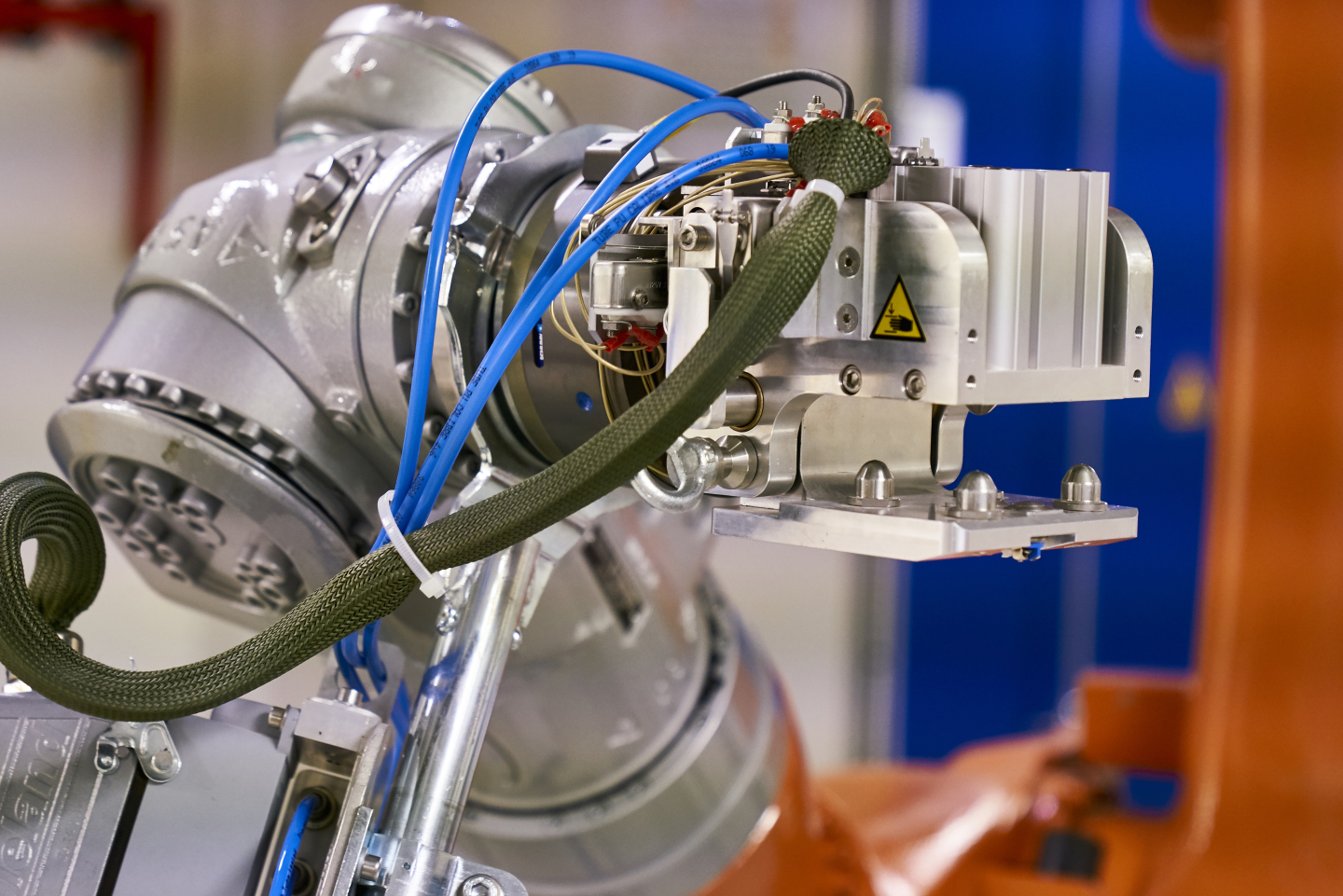
Meet the project: CERN-MEDICIS Innovative ideas and technologies from physics have contributed to great advances in the field of medicine over the last 100 years, since the advent of radiation-based medical diagnosis and treatment and following the discovery of X-rays and radioactivity. CERN-MEDICIS(Medical Isotopes Collected from ISOLDE) is an initiative that focuses on leveraging CERN’s cutting-edge technologies for
-
Innovation: how to Make It Matter
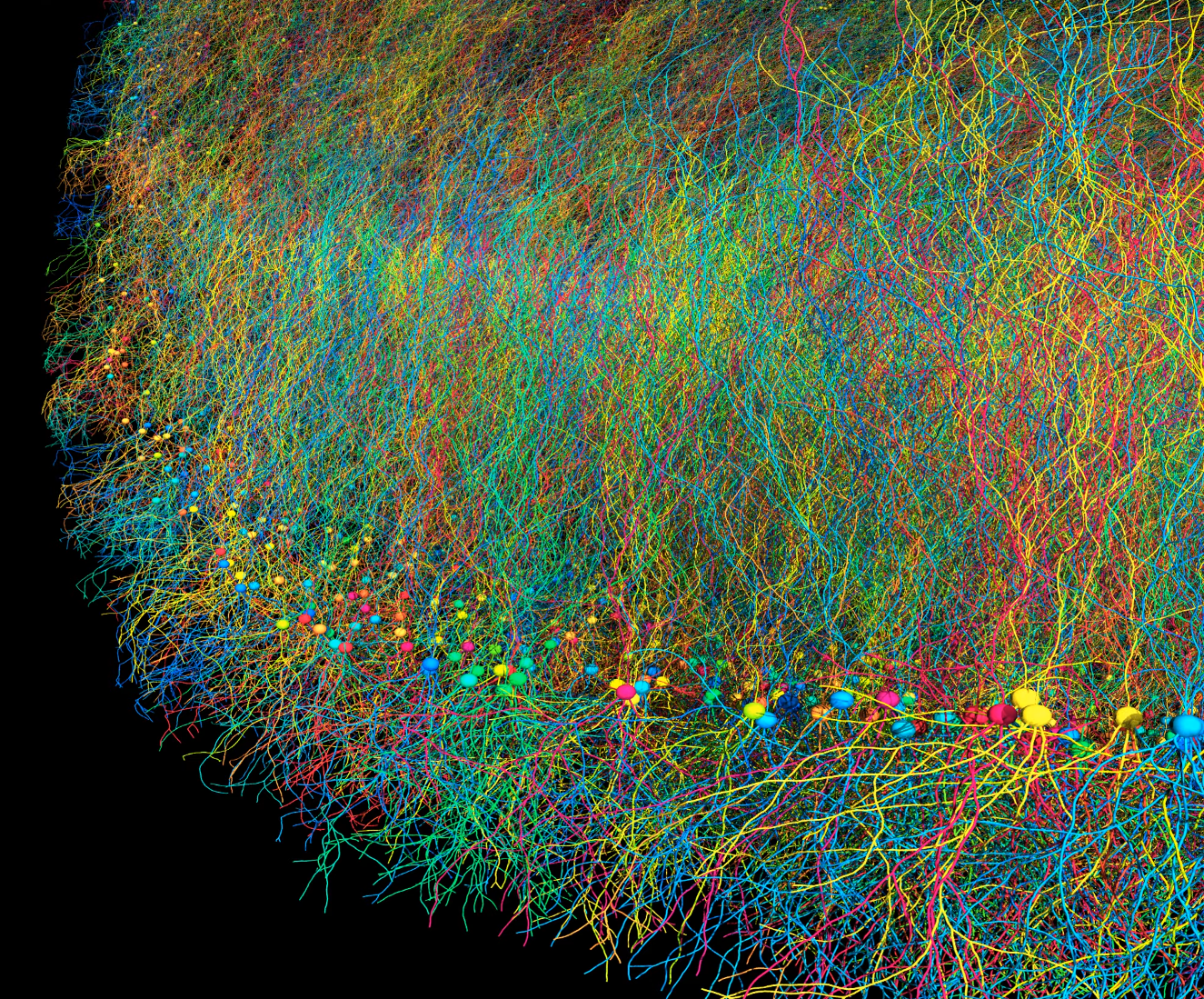
Innovation: how to Make It Matter By supporting this special campaign, you help carry innovations building on CERN’s legacy into classrooms, hospitals, and communities. Together, we can make science matter where it’s needed most. Barbara Solich, CERN & Society Foundation Head Technology never stands still – and neither does innovation. At the CERN & Society Foundation, Innovation
-
LinkedIn Newsletter: Beethoven, burger, bridges: Beamline for Schools 2025
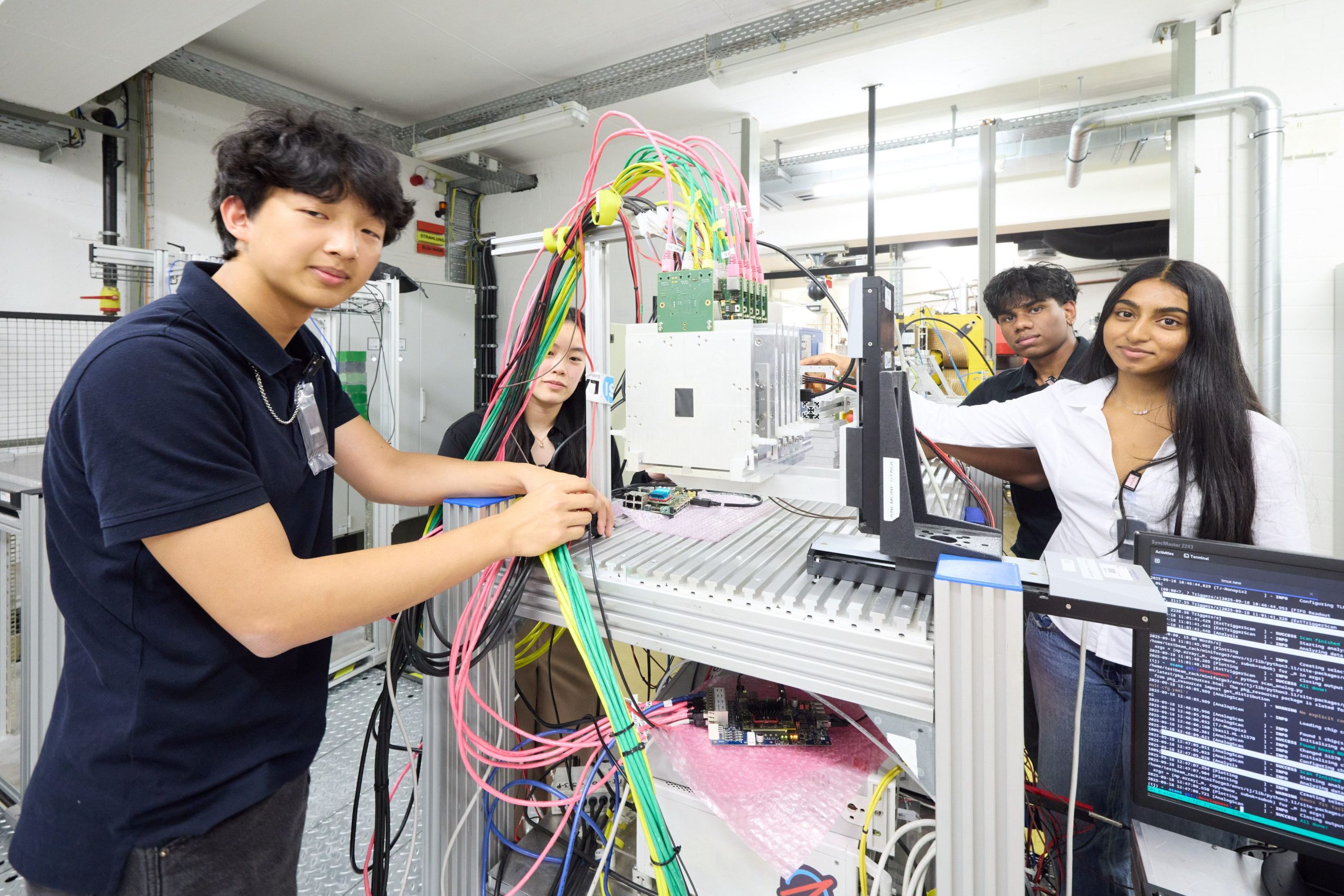
LinkedIn Newsletter: Beethoven, burger, bridges: Beamline for Schools 2025 Have you heard of the Beamline for Schools competition? If not, look no further. We’ll tell you everything you need to know! Starting with some essential terms Tell me more The competition has engaged over 24,000 students since it kicked off in 2014. Supported through the CERN & Society Foundation,